Trump Urges Zelensky's Replacement After Russian Diesel Supply Deal
Trump's Russian diesel agreement drew allied and congressional opposition as he called for Ukraine to replace Zelensky.
- Debate level · 72 / 100 contentious
- Source tone · 78 / 100
Debate level shows how sharply the positions reported in a story conflict. Source tone shows how much of our account rests on checkable facts and on-record quotes rather than interpretation. Both are scored by our model from our account of the coverage, out of 100, as in the app.
Based on reports up to .
New here? Turn on Claims Mode to see where each claim comes from.
Claims Mode is on. Select any highlighted passage to see the reporting behind it.
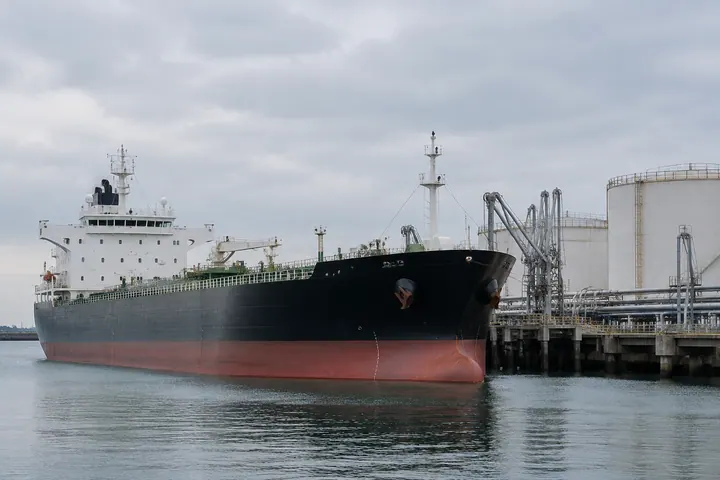 AI illustration
In a rush? Get the brief
- The Treasury temporarily eased sanctions for Russian diesel deliveries through April 2027 after Trump announced a supply deal with Russia; Trump then urged Ukraine to replace President Volodymyr Zelensky.
- The dispute centers on whether importing Russian diesel can lower fuel prices and aid peace efforts, or instead funds Russia’s war, weakens sanctions and undermines Ukraine; Trump also faulted Ukraine’s refinery strikes, while Zelensky sought a reciprocal energy ceasefire.
- Diesel prices may not fall quickly, as analysts say the initial supply is too small and Russian refining output is reduced; the deal could also affect U.S. policy toward Ukraine and wider sanctions efforts.
- European allies are likely to maintain sanctions pressure, while U.S. lawmakers may pursue legislation to block Russian oil purchases, though procedural hurdles remain.
The key facts, in one minute. Turn on Claims Mode to see who reported each claim, here or in the app. Get the app
In this story · 4 parts
On Friday, the U.S. Treasury issued a temporary general licence easing sanctions on proposed Russian diesel deliveries. NPR reported that the waiver covers diesel loaded onto tankers as of Friday and lasts until April 2027. Trump had announced a supply plan under which Russia would provide diesel to U.S. and global markets in several tranches, but the White House did not say when any fuel would become available.
President Donald Trump on Saturday called on Ukraine to replace Volodymyr Zelensky after announcing the supply plan.
“I suggest they get a new leader who can make a deal”
Trump said the announced Russian supply plan would lower fuel prices quickly for Americans and global consumers.
Zelensky condemned the plan as unfair, dishonest and a gift to Putin. He said Russia had received sanctions relief without a clear, lasting commitment to de-escalate, while Ukraine had been excluded even as its negotiators met U.S. envoys. He questioned whether rewarding Moscow before further negotiations would make peace diplomacy harder.
According to Axios, a U.S. official with direct knowledge said Trump struck the deal after Zelensky ignored repeated U.S. requests to stop attacks on Russian refineries. The refinery-strike dispute was the reported link between Trump's position on Ukraine and the diesel arrangement.
The case for cheaper fuel
The Iran war sent the cost of petrol and especially diesel sharply higher, providing the backdrop for Trump's argument that additional Russian supply could lower prices.
Trump said Russia would release 300,000 tonnes immediately to U.S. and global markets, followed by 500,000 tonnes in November and a further one million tonnes after that. He described lower prices for farmers, ranchers and truckers as a priority. In addition to those stated tranches, which total 1.8 million tonnes, Trump wrote that a further three million tonnes of Russian diesel would be delivered “within a short period,” dependent on the condition of Russia's refineries.
Trump predicted that Russian diesel, together with oil flowing from the Strait of Hormuz, would reduce prices quickly. He also blamed Ukraine's refinery strikes for high U.S. fuel costs, arguing that the attacks had become a global energy problem.
Tim Armitage and other energy analysts challenged Trump's prediction. Armitage said the first tranche equated to approximately 2.25 million barrels, while daily U.S. diesel consumption was around 3.8 million barrels. Armitage and other energy analysts said the first shipment's size relative to daily U.S. diesel consumption made a material near-term fall in American diesel prices unlikely. They therefore regarded the plan as unlikely to materially reduce U.S. diesel prices in the near term.
Those analysts also cited damaged Russian refining capacity. The International Energy Agency estimates that Russian diesel output has fallen by about 30%. Available reporting did not specify a timeframe, baseline or scope for that estimate. The White House did not immediately respond to questions about who was paying for the diesel from Russia or when fuel supplied under the plan would become available. Those analysts also raised the possibility that the fuel would be diverted from existing customers rather than add supply to the global market. They said those factors, alongside the first shipment's size and lower output, made immediate price relief unlikely.
Dispute over refinery attacks
“Ukraine will not set Russian oil refineries on fire if Russia does not destroy our energy infrastructure.”
Zelensky advocated a reciprocal energy ceasefire as a first step towards stopping the war.
Political and congressional response
Kaja Kallas argued that sanctions relief would give Russia revenue to continue its war, while European officials pledged to maintain or deepen sanctions pressure.
In the U.S., Republican lawmakers including Michael McCaul, Lisa Murkowski, John Kennedy and Mike Rogers opposed importing Russian diesel and easing sanctions, saying the measures would give Russia revenue to continue its war. Democrats including Chuck Schumer described the plan as an improper financial benefit to Putin rather than pressure on Russia. Kennedy argued that ending the Iran war would lower diesel prices instead.
Wes Streeting said Britain did not support the plan and that allies should intensify pressure on Russia to shorten the war. Streeting and Andrew Griffith said the choice of Ukraine's leader belonged to Ukrainians. Kemi Badenoch also criticised Trump for easing sanctions and blaming Zelensky, arguing that Ukraine's freedom was not his to bargain away and that rewarding Russia would encourage further aggression.
Streeting cautioned against overstating what the dispute meant for American support for Ukraine. He pointed to U.S. weapons procurement, intelligence-related assistance and the U.S.-led diplomatic effort as evidence that support remained substantial. He said Britain should work to restore unity between Washington and Kyiv.
Beyond the policy criticism, Sen. Thom Tillis raised a separate legal objection. He said there was a legitimate case that Trump was not following the law, citing Congress's earlier ban on Russian oil imports and saying lawmakers had not amended it after the diesel announcement.
Rep. Brian Fitzpatrick said he would introduce the Ronald Reagan Peace Through Strength Act to block Russian oil purchases and seek a House vote through a discharge petition. Axios reported that the proposal faced procedural and timing obstacles even if it reached the House floor. Fitzpatrick predicted overwhelming passage if it reached the House floor.
Unresolved questions include whether prices will fall as Trump predicts, whether sanctions relief will complicate diplomacy and strengthen Russia's capacity to finance its war, as Zelensky, European officials and lawmakers contend, and whether Congress can respond.
Sources
40 reports from 20 outletsFrom Axios, The Hill, NPR and 17 more
Axios5
- U.S. official: Trump cut deal with Putin after Zelensky ignored his requests (opens in a new tab)
- Exclusive: Zelensky tells Axios Trump's diesel deal with Putin "not fair and not honest" (opens in a new tab)
- House Republican, invoking Reagan, moves to block Trump's Russia oil deal (opens in a new tab)
- Trump tells Ukraine to replace Zelensky over Russia fuel deal (opens in a new tab)
- Trump announces major diesel deal with Putin, infuriating Ukraine (opens in a new tab)
The Hill5
- GOP lawmakers reject US-Russia diesel deal, Trump's Zelensky comments (opens in a new tab)
- Bipartisan bill barring U.S. purchase of Russian oil on the horizon: Fitzpatrick (opens in a new tab)
- Democrats explode over Trump's Russia diesel deal (opens in a new tab)
- Zelensky says US-Russia diesel deal is a 'birthday gift' to Putin to 'kill us, kill our children' (opens in a new tab)
- Live updates: Zelensky set for Sunday interview amid backlash to Trump's Russia diesel deal (opens in a new tab)
BBC3
NPR3
- U.S. and Russia tout diesel deal to ease sanctions and reopen fuel flows (opens in a new tab)
- Trump says U.S. to get diesel from Russia, relaxing pressure on Moscow to ease prices before midterms (opens in a new tab)
- Politics chat: Trump announces fuel deal with Russia. What does it mean for sanctions? (opens in a new tab)
The Independent3
- Trump’s new diesel deal with Russia is ‘shuffling deck chairs on the Titanic’, experts say (opens in a new tab)
- Trump struck deal with Putin because he is under pressure before midterm elections, suggests Streeting (opens in a new tab)
- Trump tears into Zelensky: ‘Time for Ukraine to get a new president’ (opens in a new tab)
Bloomberg2
CNBC2
Daily Mail2
Evening Standard2
Shropshire Star2
The Guardian2
Belfast Telegraph
Financial Times
Forbes
Fox News
NBC News
New York Times
Reuters
The Times
Western Telegraph
How this story was made. Drafted with AI from 40 reports by 20 outlets. Each highlighted line in Claims Mode links to the reporting behind it. Debate level shows how sharply the positions reported in a story conflict. Source tone shows how much of our account rests on checkable facts and on-record quotes rather than interpretation. Both are scored by our model from our account of the coverage, out of 100, as in the app. How we make stories · Corrections · Spotted an error? Tell us
Similar stories
Ukraine reports strikes after Trump’s energy ceasefire declaration
Ukraine reported fresh energy strikes after Trump announced a ceasefire that Moscow did not confirm.
G7 Agrees Emergency Oil and Diesel Release
G7 leaders agreed to release up to 100 million barrels of reserves; Trump ruled out a diesel export ban.
Russian Strikes Leave Ukrainians Without Power
Russian attacks leave at least 600,000 without electricity as Kyiv disputes ceasefire claims and questions allied warnings.