Ukraine reports energy strikes after Trump declares a ceasefire
Ukraine reported fresh energy strikes after Trump announced a ceasefire that Moscow did not confirm.
- Debate level · 69 / 100 contentious
- Source tone · 78 / 100
Debate level shows how sharply the positions reported in a story conflict. Source tone shows how much of our account rests on checkable facts and on-record quotes rather than interpretation. Both are scored by our model from our account of the coverage, out of 100, as in the app.
Based on reports up to .
New here? Turn on Claims Mode to see where each claim comes from.
Claims Mode is on. Select any highlighted passage to see the reporting behind it.
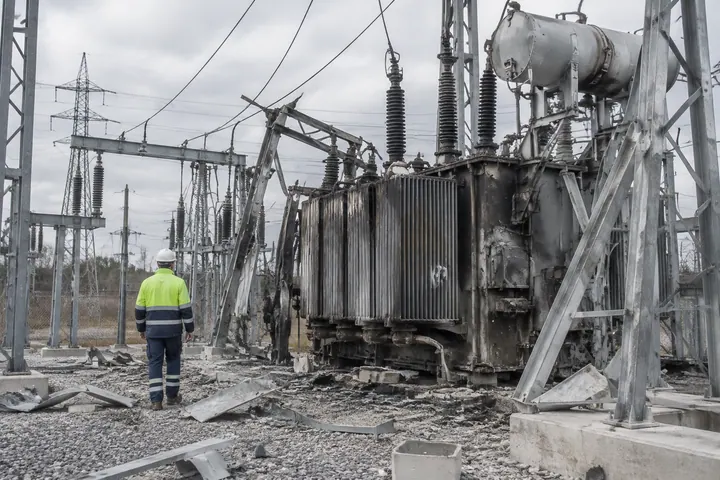 AI illustration
In a rush? Get the brief
- Trump declared an immediate Russia-Ukraine energy ceasefire, but Ukraine said it was not told of any deal, Russia did not confirm it, and Ukraine reported strikes on six energy facilities afterward.
- The dispute centers on whether a reciprocal energy ceasefire exists and can be enforced, as well as whether importing Russian diesel would lower fuel prices or finance Russia's war.
- The reported strikes caused power cuts and rationing in parts of Ukraine; the proposed diesel arrangement could also affect fuel prices, though wider oil-supply disruptions make its impact uncertain.
- Contacts between the parties are likely to continue, with Ukraine seeking reciprocal guarantees and observers watching whether Russia halts energy attacks or accepts a broader ceasefire.
The key facts, in one minute. Turn on Claims Mode to see who reported each claim, here or in the app. Get the app
In this story · 4 parts
Trump says an energy ceasefire was agreed, but Ukraine and Russia do not confirm it
Donald Trump said Russia and Ukraine had agreed to an immediate energy ceasefire. According to Axios reporting cited by Fox News, a White House official said the proposal initially focused on halting attacks on oil refineries, with a broader ceasefire covering power plants and electricity grids potentially to follow.
Ukrainian President Volodymyr Zelensky told Axios that Ukraine had not been notified of the deal, that the declaration was news to him, and that Ukraine would accept a reciprocal energy ceasefire if Russia agreed. Kremlin spokesman Dmitry Peskov declined to confirm that Russia had agreed, saying contacts were ongoing. The agreement was therefore not mutually confirmed. Hours after Trump’s declaration, Ukraine reported that Russian strikes hit six energy facilities.
Ukraine’s grid operator, Ukrenergo, reported new power cuts in Kharkiv, Donetsk and Zaporizhzhia after damage to energy equipment and said electricity rationing had been introduced in some areas.
Zelensky said the strikes on gas and power facilities showed Russia was unwilling to accept or comply with an energy ceasefire. He said Ukraine would stop attacking Russian energy targets only if Russia stopped attacking Ukrainian energy infrastructure, insisting that any agreement be reciprocal and backed by real guarantees. A functioning energy ceasefire, he argued, could be a major step toward ending the war. Separately, Kaja Kallas said the EU would welcome a truce only when it held, because the bloc had not seen evidence that Moscow would observe it.
Russian diesel supply arrangement and the fuel-price dispute
Trump announced a Russian diesel-supply arrangement under which Russia would provide more than 300,000 tons immediately, followed by 500,000 tons in November and 1 million tons after that.
Trump said the supplies would help bring down fuel prices. Andy Burnham said an energy ceasefire was the best route to restore energy and fuel to world markets. Trump argued that Ukrainian attacks on Russian refineries had disrupted global diesel supplies and contributed to higher fuel costs for US consumers and businesses. Zelensky rejected that argument, saying price increases were caused instead by disruption at the Strait of Hormuz.
Those competing explanations may not determine broader market effects. MarketWatch’s analysis said the continuing Middle East conflict and the International Energy Agency’s assessment that the Iran war had caused an unprecedented global oil-supply disruption made it uncertain whether an energy ceasefire could materially ease the broader oil and diesel-supply crisis.
In reactions to the announced arrangement, a bipartisan group of six US senators opposed what they described as easing restrictions to buy Russian diesel, saying purchases would give Putin a financial lifeline while Russia continued its war and would conflict with the purpose of the 2022 ban on Russian energy imports and sustain Russia’s war effort. Zelensky also warned that the additional revenue could prolong Russia’s war. Kemi Badenoch said rewarding Russia with energy purchases or eased sanctions could encourage further aggression and undermine prospects for a just and lasting peace.
Wider negotiations and Ukraine’s election dispute
Beyond the dispute over energy and diesel, Morgan Murphy defended Trump’s broader effort to push both countries toward a negotiated ceasefire rather than allow an open-ended war of attrition in analysis carried by Fox News. Murphy argued that Ukraine lacked the combat power to retake seized territory and that Russia was damaging its own demographics.
The wider negotiations also included a separate dispute over Ukraine’s leadership. Trump has called for Zelensky to be replaced, arguing that he could have made deals to end the war but failed to do so. Zelensky proposed a total ceasefire lasting at least 60 days and said he would organise a vote if Russia accepted the 60-day ceasefire. Zelensky and Ukrainian officials say Ukrainians have the right to choose their leadership and decide election timing, but that elections cannot safely occur without a ceasefire; they say ongoing warfare makes a nationwide vote unsafe and that martial law prohibits elections.
Moscow rejected Zelensky’s separate 60-day proposal. Peskov said Russia wanted a long-term peace settlement rather than a ceasefire.
Sources
21 reports from 16 outletsFrom Daily Mail, The Independent, Fox News and 13 more
Daily Mail3
- Trump says Russia and Ukraine have agreed 'energy ceasefire' - after Zelensky vows to hold elections if Putin backs 60-day pause on fighting (opens in a new tab)
- Trump says Russia and Ukraine have agreed 'energy ceasefire' - after Zelensky vows to hold elections if Putin backs 60-day pause on fighting (opens in a new tab)
- Kremlin says it 'likes the US stance on Ukraine' after Trump demanded an end to Kyiv's energy attacks but rejects Zelensky's 60-day ceasefire proposal (opens in a new tab)
BBC2
Fox News2
The Independent2
Axios
Bloomberg
Business Insider
CBS News
Evening Standard
Financial Times
MarketWatch
NPR
RTE
Shropshire Star
The Guardian
The Scotsman
How this story was made. Drafted with AI from 21 reports by 16 outlets. Each highlighted line in Claims Mode links to the reporting behind it. Debate level shows how sharply the positions reported in a story conflict. Source tone shows how much of our account rests on checkable facts and on-record quotes rather than interpretation. Both are scored by our model from our account of the coverage, out of 100, as in the app. How we make stories · Corrections · Spotted an error? Tell us
Similar stories
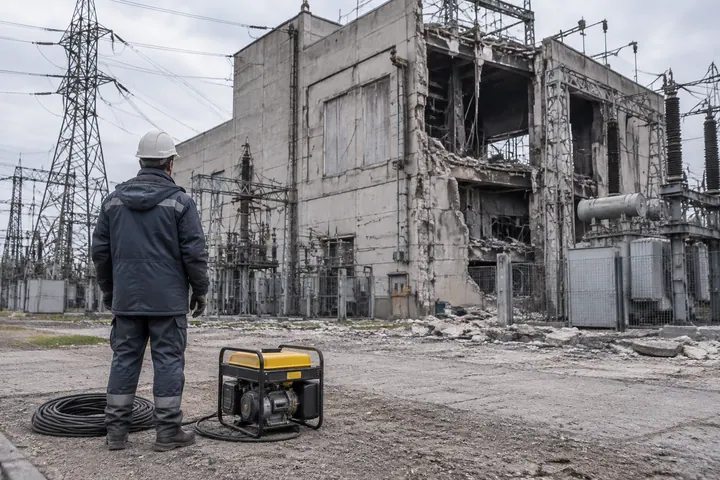
Russian Strikes Leave Ukrainians Without Power
Russian attacks leave at least 600,000 without electricity as Kyiv disputes ceasefire claims and questions allied warnings.
Trump's Russian Diesel Deal Draws Allied Opposition
Trump's Russian diesel agreement drew allied and congressional opposition as he called for Ukraine to replace Zelensky.

US Envoys Visit Kyiv for Peace Talks
Steve Witkoff and Jared Kushner traveled to Kyiv after meeting Vladimir Putin in Moscow, opening a U.S.-led effort to sustain negotiations involving Ukraine and European partners. The talks produced plans for follow-up but no announced settlement, with territorial demands, security guarantees, winter support and continued fighting still dividing the sides.